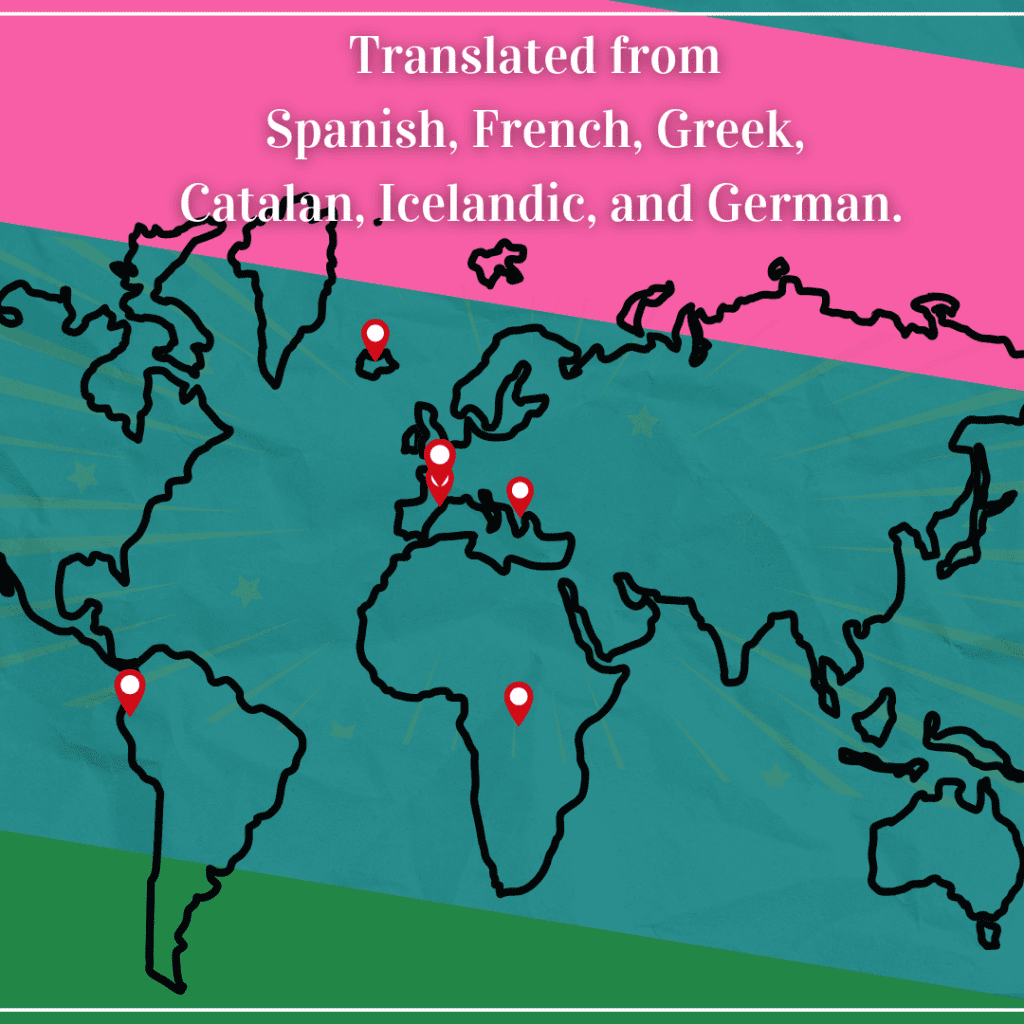
Our translated fiction guru Laura Garcia Moreno is back with her latest picks. This month’s list features books from the Democratic Republic of the Congo, Greece, Catalonia, Iceland, Austria and Germany, and Ecuador:
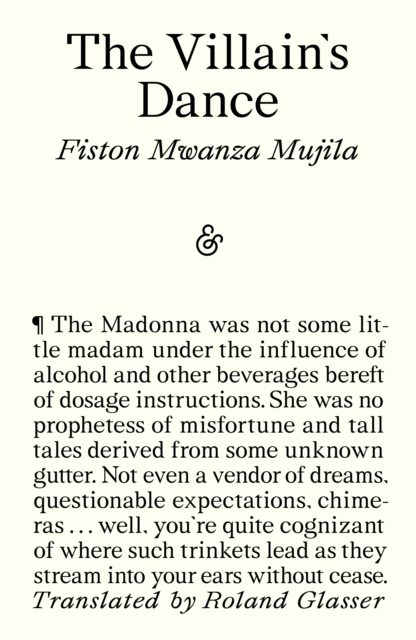
The Villain’s Dance by Fiston Mwanza Mujila (tr by Roland Glasser)
Translated from French, this is a book set in the diamond-mining areas between Zaire (today’s Democratic Republic of the Congo) and Angola in the 1990s. It is the last years of the terrible Mobutu’s dictatorship and civil war is already in sight. We follow a gang of street kids, an Austrian expat, and a woman who claims she is God, garnering a following amongst the illegal diamond hunters. This is a world of border-crossings into surrounding warzones, of peril and danger, of civil unrest but also of belief. An exploration of post-colonial politics and the makings of today’s Congo.

Deepfake by Makis Malafekas (tr. by Jenny Steel)
Michalis Krokos is a writer and somewhat of an expert on the philosophy of Athens’ sweltering nightlife. It has been four years since his last book, and he is desperate for inspiration as he wanders aimlessly through the city, obsessively watching a live feed of Johnny Depp’s trial. Then, he is paid a visit by a prosecutor who informs him that his old friend, a trans sex worker, is in trouble with a far-right group and that her life is in danger. Michalis goes undercover as a copywriter for the group, both to save Rebecca and his career. But the rescue mission soon turns into paranoia, backroom deals, and the turmoil of modern politics.
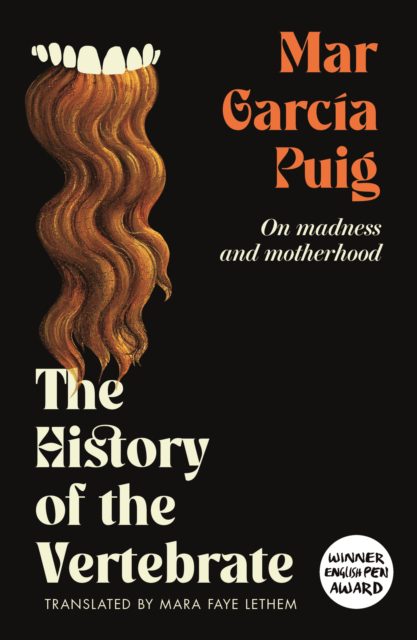
The History of the Vertebrate by Mar Garcia Puig (tr. by Mara Leye Fethem)
This is a book about maternity, being crazy, and becoming even crazier during motherhood. It’s about post-natal depression, poetry, politics, psychiatry, and the myth of femininity. It’s about fear and about still having hope. Mar Garcia Puig is a Catalan politician who birthed twins on the same day she got a seat in the Spanish Parliament. With the weight and anxiety of responsibility, she went mad. This is her theorising about life, linking universal worries to particular stories within the arts, and the story of her journey to the depths of despair and back up again.
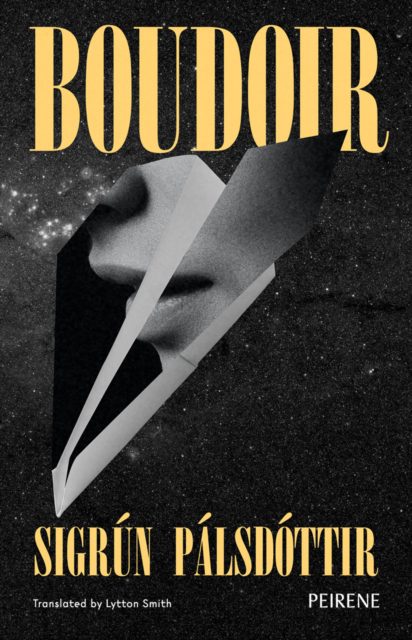
Boudoir by Sigrun Palsdottir (tr. by Lytton Smith)
It’s 1962 in Iceland and Théodora, aka Teddy, is a teenager living with her parents on a farm near Ódáðahraun. It is a wilderness of volcanic land, stagnant despite the rapidly changing world around it. When her gift with numbers gives her the chance to leave home, Teddy takes it and moves to the city. There, she works in a bank and begins to dabble in financial fraud to finance her dreams of becoming a pilot, a dream that no one but her believes she can achieve. Not a wasted word in this expansive novel about who we are, and who we are seen to be.
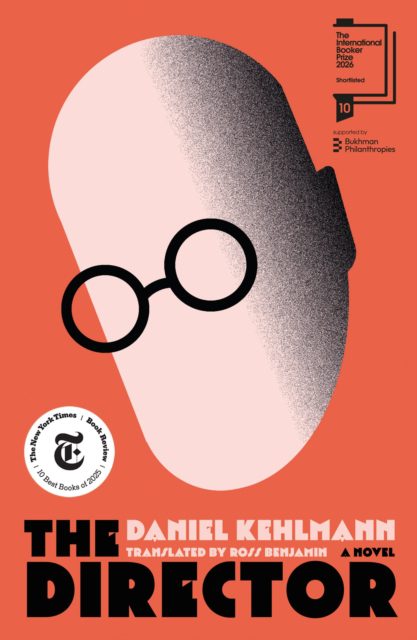
The Director by Daniel Kehlmann (tr. by Ross Benjamin)
G. W. Pabst, film director extraordinaire, is back in Europe after flopping in Hollywood. But the day he arrives back in Austria, Germany annexes the country, leaving him trapped. When the Nazis discover the great man is home, they send for him… An exuberant masterpiece of historical recreation from the great contemporary German author. Can Pabst continue to make art under the constraints of fascism – and keep himself alive in the process?
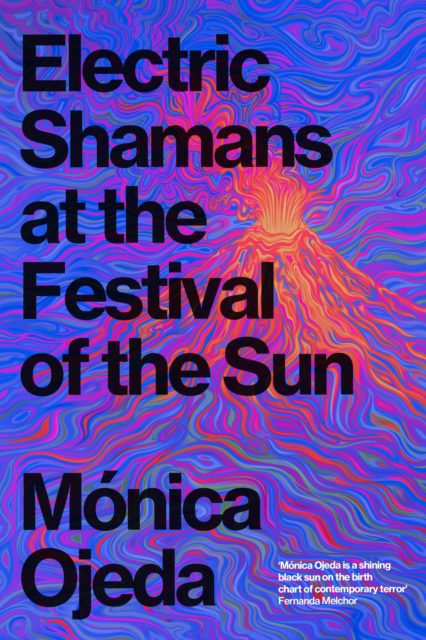
**APRIL HIGHLIGHT**
Electric Shamans at the Festival of the Sun by Mónica Ojeda (tr. by Sarah Booker)
Noa escapes Guayaquil with a friend to attend Solar Noise, a week-long macro festival of experimental music that includes shamanic noise, post-andine drums and spatial tecno-cumbia. This polyphonic narrative builds Noa’s story while she searches for her father through many other eyes, as she gets lost in the sways of the mountains and the rumbles of Earth. Hypnotic, mythical and, in a way, an Equatorian Midsommar.