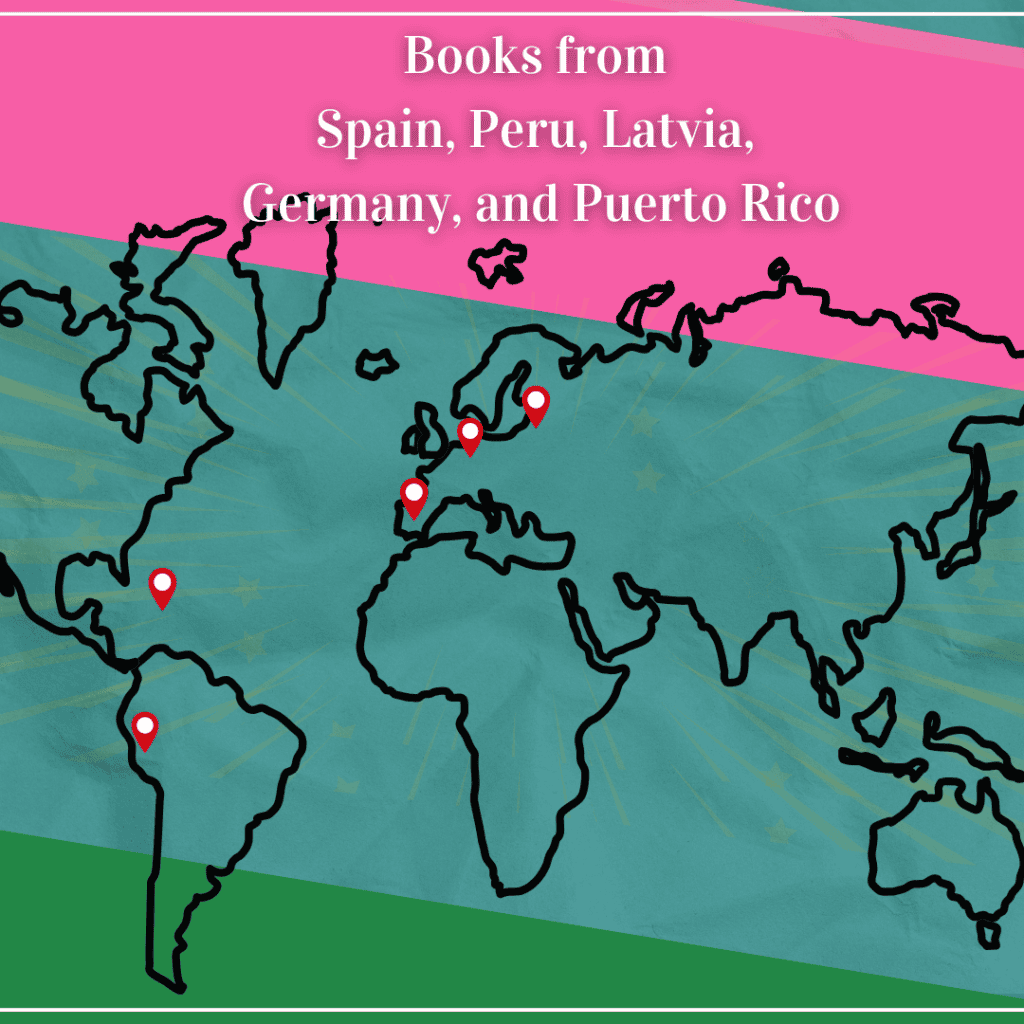
Our translated fiction guru Laura Garcia Moreno is back with her latest picks. July’s list features books from Peru, Puerto Rico, Spain, Latvia and Germany.
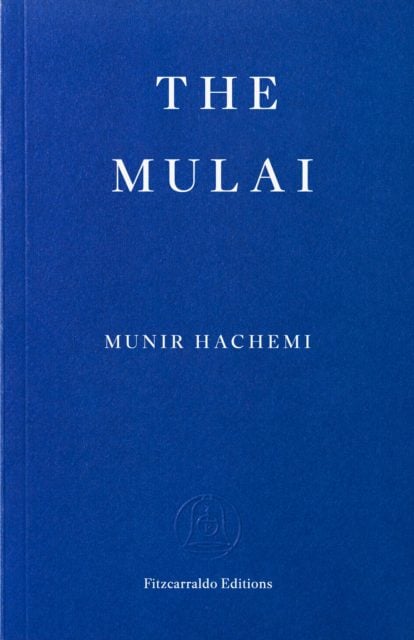
The Mulai by Munir Hachemi (tr. Julia Sanches)
After the brilliant Living Things, Munir Hachemi returns with something even stranger. An archaeologist travels to a distant planet to study the Mulai, descendants of Earth colonists who have spent generations building a society where language, family, religion and even gender have evolved into something almost unrecognisable to us and yet, still holds a bit of us. Equal parts anthropology, science fiction and metafiction, this is one of those books that constantly pulls the rug from under your feet. Playful, intelligent and deeply interested in what language (and translation) does to meaning and to our humanity, it’s the kind of novel that makes your brain sort of fizz.
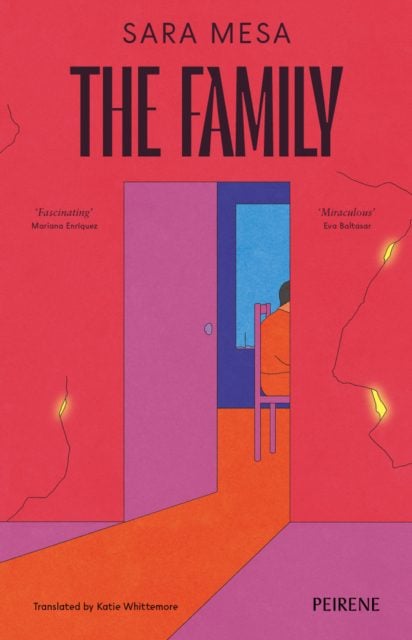
The Family by Sara Mesa (tr. Katie Whittemore)
Sara Mesa has quietly become one of the sharpest chroniclers of uncomfortable (family) dynamics writing in Spanish today. After the oppressing Un Amor, and the insanely good dark dystopia of Four by Four, here she turns her attention to a household held together by fear disguised as order. In this choral novel the father rules through control, the mother through silence, and the children learn to survive by at times being complicit and at times rebelling. Mesa is never sentimental: she lets tiny gestures and passing comments build into something quietly devastating. Claustrophobic, unsettling and impossible to look away from.
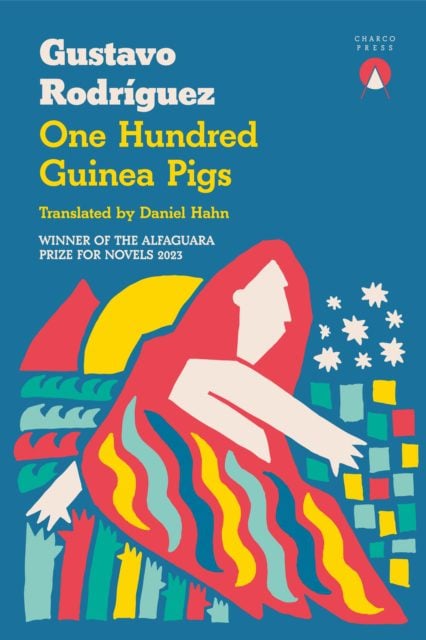
One Hundred Guinea Pigs by Gustavo Rodriguez (tr. Daniel Hahn)
Eufrasia is a caregiver in Lima whose kindness gradually draws her into the lives of the elderly people she looks after, until one impossible request from Dona Carmen, one of her depressed elder woman on her care changes everything. Rather than turning euthanasia into a moral debate, Rodríguez is interested in dignity, companionship and the neglect that accompanies old age. Full of film references, music and humour, this is compassionate without ever becoming overtly sentimental.
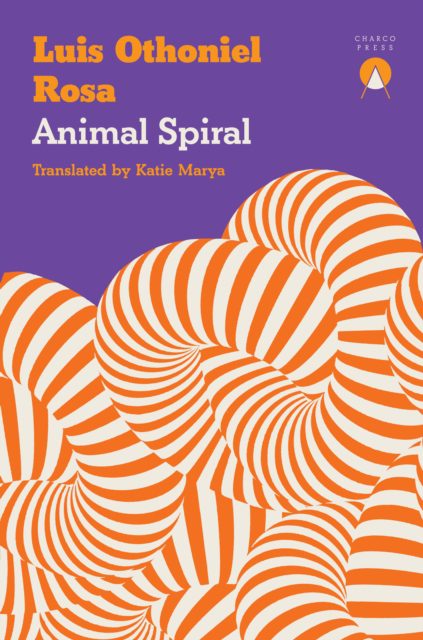
Animal Spiral by Luis Othoniel Rosa (tr. Katie Marys)
From Puerto Rico arrives this wildly inventive novel where science, ecology and capitalism collide. Set in a near future shaped by climate collapse and biotechnology, the book spirals through multiple voices and perspectives, asking who gets to survive and what it even means to be human anymore when we can’t recognise society or humanity any longer. Big ideas, great style, tremendously ambitious fiction packed with linguistic playfulness. Equal parts speculative novel and a philosophical puzzle.
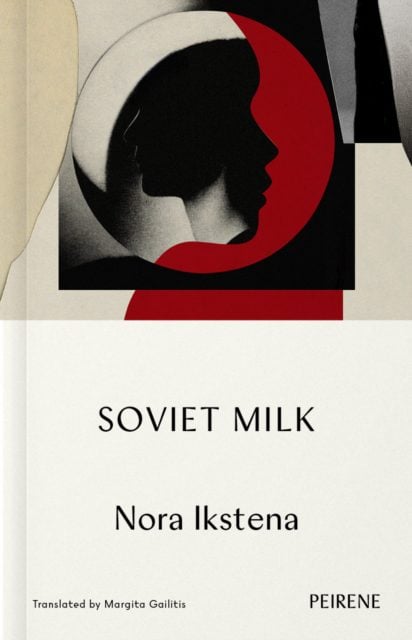
Soviet Milk by Nora Ikstena (tr. Margita Gailitis)
A modern Baltic classic that explores motherhood, womanhood and survival under Soviet occupation. Told through the alternating voices of a mother and daughter, the novel captures how political oppression seeps into the most intimate parts of life until love itself feels compromised. It’s bleak without ever becoming fully hopeless, full of dry humour and astonishing emotional precision. One of those books that somehow feels both deeply personal and like the story of an entire country.
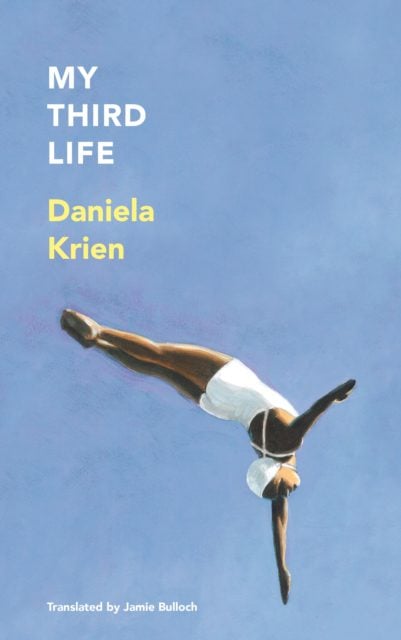
My Third Life by Daniela Krien (tr. Jamie Bulloch)
Daniela Krien is very good at writing people who are a bit lost with themselves. Linda is entering her third life after a period of unimaginable pain: the death of her teen daughter, the end of her marriage and a battle with cancer. She leaves Leipzig behind and disappears to a farmhouse in the Saxon countryside where her days become chickens, gardening and trying to figure out what happens when the life you had planned is no longer there. This is a quiet book plot-wise but not an easy one. Krien doesn’t go for big emotional moments; instead she lets grief sort of sit in the background, in the routines, the day-to-day. A beautiful book about starting again when you are not really sure you want to.